
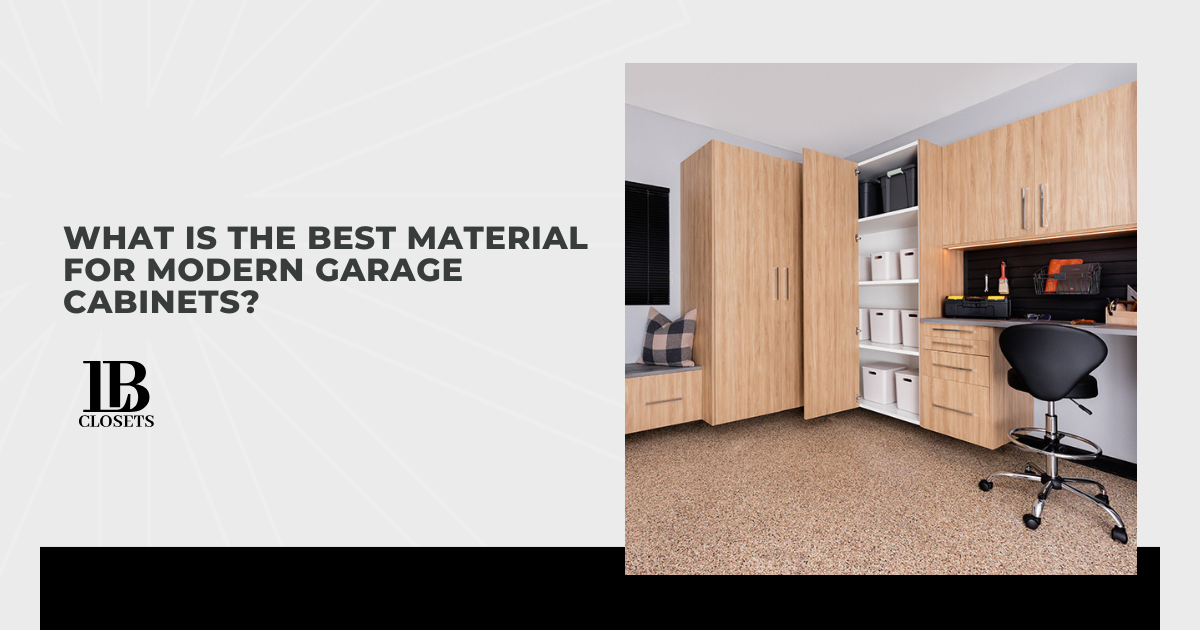
If you’re shopping for garage cabinets, the material you choose matters more than most people expect. I’ve worked with homeowners who loved the look of a cabinet system on day one, only to see sagging shelves, swollen panels, or rust spots a year later. A garage is a tough environment, and the wrong material can age fast. Once you understand how each material performs, choosing the right one becomes much easier.
Modern garage cabinets should look clean and intentional, but they also need to handle real garage conditions like temperature swings, dust, moisture, and heavy storage. Some garages function like workshops, while others are more like mudrooms for the whole family. That’s why I recommend choosing material based on how you actually use your space, not just what looks best online.
Here are the best materials for modern garage cabinets and when each one makes the most sense:
- Steel is best for strength and long-term durability
- Aluminum is best for hot climates and low-maintenance modern style
- HDPE/plastic is best for waterproof, low-maintenance storage
- Plywood is best for a custom, built-in modern look
- MDF and particleboard are best for garages with controlled conditions
- Stainless steel is a premium option for high-end modern garages
- Finishes and hardware can make or break any cabinet material
- A quick material match guide makes the final decision easy
If you’re trying to choose cabinets that look modern and hold up for years, you’re in the right place. I’ll walk you through the pros, cons, and best-use scenarios for each material so you can feel confident in your choice.
Steel Is Best for Strength and Long-Term Durability
Steel is the material most often recommended when truly tough garage cabinets are the priority. It handles heavy loads well, which matters if you’re storing tools, hardware bins, car supplies, or anything dense and awkward. Steel also keeps its shape over time, so doors stay aligned and shelves don’t sag the way cheaper materials can. If you want cabinets that still feel solid years from now, steel is hard to beat.
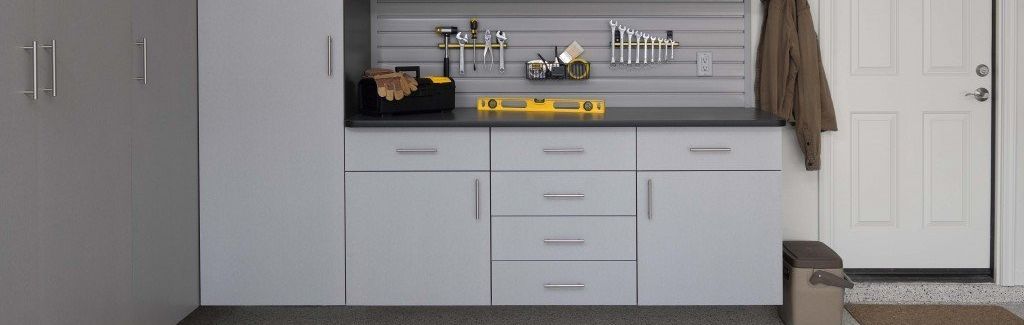
That said, not all steel cabinets are built the same. A quality powder-coated finish holds up better to heat, daily bumps, and the dust-and-grime cleanup that comes with garage life. Thicker steel, reinforced corners, and sturdy shelf supports make a noticeable difference in how premium the cabinets feel. For most homeowners, powder-coated steel hits the sweet spot between modern style and real-world durability.
Aluminum Is Best for Hot Climates and Low-Maintenance Modern Style
If you live in a hot climate, aluminum is worth a close look for garage cabinets. Even in places like Arizona where it’s often dry, garages still go through big temperature swings, dust, and seasonal humidity spikes. Aluminum holds up well in these conditions and naturally resists corrosion, which adds peace of mind over time. It also delivers a clean, modern look that pairs well with contemporary garage design.
One thing to keep in mind is that aluminum is lighter than steel, and depending on the construction, it can dent more easily. That doesn’t mean it’s a poor choice, but it does mean you’ll want a well-built system with reinforced doors, sturdy shelving, and quality hardware. In my experience, aluminum is a great fit for homeowners who want a sleek cabinet system that’s easy to maintain. It’s especially helpful in garages where heat and dust are part of everyday life.
HDPE/Plastic Is Best for Waterproof, Low-Maintenance Storage
HDPE (high-density polyethylene) cabinets are a popular option for families who want a durable, low-fuss setup. These garage cabinets don’t rust, rot, swell, or peel, which makes them incredibly forgiving in everyday garage conditions. If you store wet sports gear, garden supplies, pool chemicals, or anything that tends to drip, HDPE is a strong contender. It’s also easy to clean, which is a big plus in busy homes.
The trade-off is that plastic cabinets don’t always have the same rigidity as metal. If someone plans to store very heavy tools or bulky equipment, I’m careful about recommending HDPE unless the shelving is reinforced. Still, for everyday storage, HDPE is a practical material that holds up well over time. It’s a great fit for homeowners who want function and durability without babying the cabinets.
Plywood Is Best for a Custom, Built-In Modern Look
If you want garage cabinets that feel like custom built-ins rather than utility storage, plywood is often the best choice. When properly constructed and sealed, plywood is strong, stable, and long-lasting. It gives you more flexibility with door styles, colors, and the overall layout. You can create a seamless, high-end look that feels intentional and integrated.
The key is using cabinet-grade plywood and finishing it the right way. Sealing matters because garages get extreme heat, big temperature swings, and occasional humidity that can stress unprotected wood over time. When done correctly, plywood cabinets can look beautiful and perform extremely well. This is often my recommendation for homeowners who want a clean modern aesthetic and are willing to invest in quality craftsmanship.
MDF and Particleboard Are Best for Garages With Controlled Conditions
MDF (medium-density fiberboard) and particleboard can be a good fit in garages where conditions are more controlled and predictable. These materials offer a smooth, clean surface that works well for modern cabinet designs, especially when aesthetics are a priority. That said, they don’t tolerate extremes as well as metal or plastic, so the environment matters. Heat, temperature swings, and moisture exposure are the main factors to consider.
To get the best performance from MDF or particleboard garage cabinets, construction and protection are key. Look for well-sealed edges, durable finishes, and solid hardware, and avoid placing cabinets where they’re likely to be splashed or exposed to ongoing moisture. These materials tend to perform best in garages that stay relatively dry and see lighter to moderate use. When the setup is right and the product is well-made, MDF-based garage cabinets can be a practical and attractive option.
Stainless Steel Is a Premium Option for High-End Modern Garages
Stainless steel is the “luxury finish” of garage cabinets, and it can make a strong design statement. It’s highly corrosion-resistant, durable, and easy to wipe clean, which fits well with modern design trends. If you want a garage that feels like a high-end workshop or a showroom, stainless steel delivers a crisp, polished look. It’s also a material that tends to age well when maintained.
The downsides are cost and fingerprints. Stainless can show smudges easily, especially on large flat surfaces, so it may require more frequent wipe-downs to stay looking sharp. In dustier areas, you may find yourself wiping surfaces more often to keep that sleek finish looking clean. It’s not necessary for most people, but it’s a great option for the right space.
Finishes and Hardware Can Make or Break Any Cabinet Material
One of the most important lessons I’ve learned is that material alone doesn’t guarantee quality in garage cabinets. A steel cabinet with a weak coating can wear down, and a wood cabinet with poor sealing can start to show stress over time. Even the best plywood won’t hold up if edges are exposed or if the finish isn’t suited for garage conditions. You’ll get better results by looking beyond the label and paying close attention to build details.
Hardware matters too, especially hinges, drawer slides, and handles. Soft-close hinges and quality slides not only feel nicer but also reduce wear over time. High-quality, sealed hardware holds up better because heat cycling and dust can wear out cheaper hinges and slides faster than people expect. When cabinets are built well, the whole system feels smoother, stronger, and more modern.
A Quick Material Match Guide Makes the Final Decision Easy
If you’re still deciding, it helps to match the material to your lifestyle and your garage environment. Think of it as choosing the material that best fits what you store and what your garage is exposed to day after day.
- Powder-Coated Steel: Best for heavy tools, high-use garages, and maximum durability
- Aluminum: Best for hot climates, dusty garages, and low-maintenance modern style
- HDPE/Plastic: Best for waterproof storage, wet gear, and easy cleanup
- Sealed Plywood: Best for a custom modern built-in look with strong everyday performance
- MDF/Particleboard: Best for garages with controlled conditions and lighter to moderate use
If you want the simplest takeaway, steel is usually the best all-around choice for strength and longevity. Aluminum and HDPE are great when moisture resistance and easy maintenance matter most, while plywood works well when design is a top priority. MDF and particleboard can also be a solid option when the garage environment is stable and the cabinets are well-protected.
Conclusion
At the end of the day, the best garage cabinets are the ones that fit how you actually use your garage. The right cabinet choice can quietly improve day-to-day life, from quicker cleanups to better use of space. When you choose materials that hold up and support your needs, your garage becomes a place you actually enjoy walking into.