
January always feels like a chance to breathe, reset, and start fresh, especially in the spaces we use every day. And if you’re like many parents, kids’ closets are probably one of those areas that could use a little New Year clarity. I’ve worked with families who felt overwhelmed by overflowing shelves and squeezed-in clothing, and I’ve seen how transformative a little structure can be. A refreshed closet truly makes daily life more peaceful.
What I love about organizing kids’ closets is how manageable the process becomes once you break it down. It doesn’t have to be complicated or perfect to be helpful. With a few thoughtful changes, you’ll quickly notice smoother morning routines and a calmer flow at home. Starting small can still make a beautifully big impact.
Here are the key steps that make decluttering and organizing kids’ closets both manageable and effective.
- Start with a full closet reset
- Sort items into keep, donate, and toss piles
- Evaluate clothing by season and size
- Use space-saving closet systems and vertical storage
- Create zones for different categories
- Add kid-friendly labels and clear storage bins
- Implement rotating systems for toys and seasonal items
- Establish simple maintenance habits
These core strategies lay the foundation for a closet that’s easy for both parents and kids to maintain. As we explore each one, you’ll see how small shifts can create meaningful, lasting change.
Start With a Full Closet Reset
The best way to begin is by removing everything from the closet so you can see exactly what you're working with. An empty space gives you a clean slate and reveals how much storage potential the closet truly has. Many parents are surprised by how freeing this step feels once everything is out in the open. A full reset eliminates the temptation to simply reorganize existing clutter.
With the closet completely cleared, the space becomes easier to rethink and reorganize. You can visualize new layouts, storage additions, or adjustments that weren’t obvious before. This fresh start allows you to make intentional decisions about what belongs in the closet and what doesn’t. Beginning with a blank canvas sets the tone for the rest of the process.
Sort Items Into Keep, Donate, and Toss Piles
Once everything is out, sorting becomes the most important next step. Dividing items into clear categories helps ensure that only what truly deserves a place returns to the closet. To guide this process, I recommend focusing on these three groups:
- Keep: Items your child actively uses and that fit well right now. These pieces should support daily routines and earn their place in the closet.
- Donate: Clothing and accessories that are in good condition but no longer serve your child. Passing them along gives them a second life with another family.
- Toss: Items that are stained, damaged, or too worn to be reused. Removing these helps clear unnecessary clutter and frees space for what matters.
Sorting with intention makes the rest of the process easier and more meaningful. It also teaches kids the value of making mindful choices about what they keep.
Evaluate Clothing by Season and Size
Clothing tends to accumulate quickly, so evaluating each item by season and fit is essential. This prevents the closet from overflowing with items your child has already outgrown or won’t wear for months. As you make decisions, consider these criteria:
- Current Fit: Choose items that fit comfortably and allow your child to move with ease. Anything tight, too short, or noticeably small should be removed from the closet.
- Seasonal Relevance: Keep only the clothing appropriate for the current weather within reach. Out-of-season items can be stored elsewhere to keep the closet from becoming overcrowded.
- Condition: Evaluate whether each piece is in good-enough shape to wear confidently. Items with heavy wear may be ready to retire.
- Comfort and Preference: Keep pieces your child genuinely likes and reaches for. This reduces morning struggles and supports their independence.
This thoughtful evaluation ensures a closet full of clothing your child can actually use. It also helps you identify any gaps you may need to fill.
Use Space-Saving Closet Systems and Vertical Storage
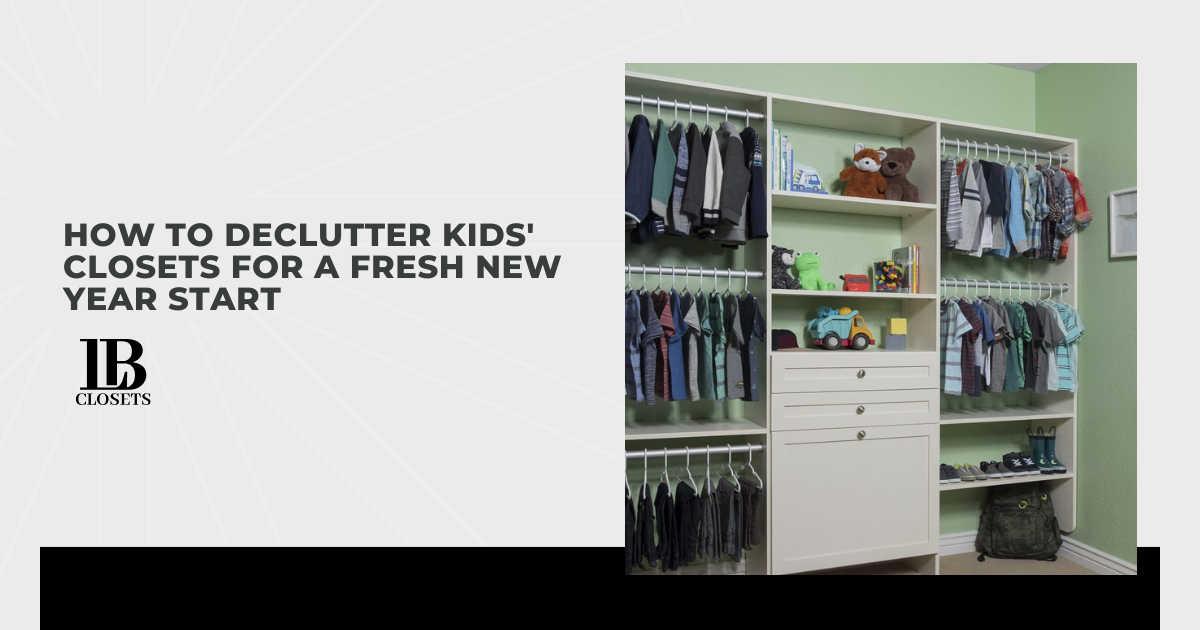
Many kids’ closets lack adequate shelving or adjustable components, leaving vertical space unused. Adding simple upgrades, like double-hanging rods, stackable shelves, or hanging organizers, can instantly maximize the area. These additions don’t have to be expensive to create a big impact. A few well-placed components can change how the closet functions entirely.
Vertical storage helps transform wasted space into usable zones. When you use the full height of the closet, you gain room for shoes, accessories, or off-season clothing. I often recommend modular systems because they can grow with your child and adapt to changing needs. Thoughtful vertical use makes the closet more efficient and easier to maintain.
Create Zones for Different Categories
Designating zones gives the closet clear structure and helps kids and parents quickly understand where each type of item belongs. This simplicity reduces frustration and maintains order even during busy mornings. To create functional zones, here’s what I typically consider:
- Everyday Clothing: These items should be the easiest to access. Placing them at eye level makes choosing outfits simple for kids.
- Pajamas and Loungewear: Group soft, comfortable pieces together to streamline bedtime routines. This keeps nighttime prep calm and consistent.
- Shoes and Accessories: Keep shoes on low shelves or in cubbies and store accessories in small bins. Kids can independently grab what they need without digging.
- Special Occasion Outfits: Store these in a designated area so they stay wrinkle-free and easy to find. This avoids last-minute scrambling for dressy events.
- Sports Gear or Seasonal Items: Place these in labeled bins on higher shelves. They stay accessible but don’t clutter everyday zones.
Zones make the closet intuitive and easy for kids to maintain. When everything has a home, clean-up becomes quicker and far less stressful
Add Kid-Friendly Labels and Clear Storage Bins
Labels and clear storage bins provide visual cues that make organization simple for kids of all ages. Younger children benefit from picture labels, while older kids can use text labels. Clear bins eliminate guesswork and reduce rummaging, which helps keep the closet tidy. These small touches go a long way in supporting daily habits.
With consistent labeling, the entire system becomes easier to maintain. Kids are more willing to put things back when they know exactly where everything belongs. I’ve seen families dramatically improve their closet organization with just this one step. Labels and clear bins create long-lasting clarity.
Implement Rotating Systems for Toys and Seasonal Items
Rotation helps prevent closets from becoming overcrowded with items kids aren’t using at the moment. Instead of storing everything year-round, choose what’s currently relevant and rotate the rest. This works especially well for accessories, seasonal clothing, and small toys. Kids love rediscovering items when they return to the closet.
A simple quarterly rotation schedule can make a noticeable difference. It keeps the space fresh and stops unused items from piling up. Families who adopt this system often feel more in control and less overwhelmed. Rotation is an easy, powerful tool for long-term organization.
Establish Simple Maintenance Habits
Once the closet is organized, maintenance becomes key to keeping it that way. A quick weekly review or a short daily tidy can prevent small messes from becoming bigger ones. Teaching kids these simple habits helps make organization a shared responsibility. Over time, these routines feel natural and effortless.
Maintenance also keeps you ahead of growth spurts and seasonal changes. Regular check-ins ensure that everything still fits, functions, and belongs in the space. Families who adopt basic upkeep habits enjoy a tidy closet far longer than those who treat decluttering as a one-time project. Consistency is what keeps the system working.
Conclusion
Decluttering kids’ closets is a wonderful way to welcome the new year with more clarity and less stress. When you combine simple habits with practical organization, the closet becomes a space that works for your family instead of against you. I love seeing how these small shifts can bring more peace to busy routines and help kids feel confident putting things away. A fresh, organized closet is a gentle step toward a calmer, happier home.